What Mounting a Pirelli Race Tire Teaches About Testing, Consistency, and Safety
The Scenario: A Real-World View of Race Tire Preparation
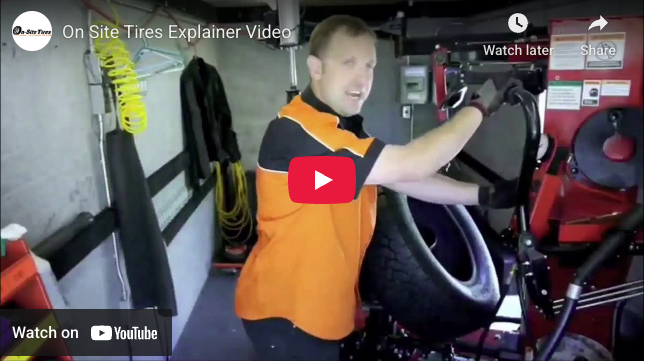
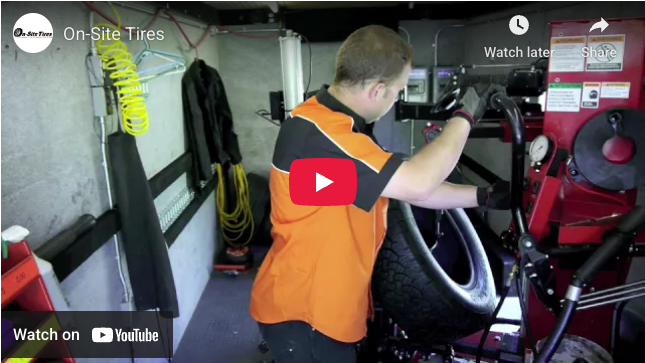
This video captures a mechanic mounting a Pirelli race tire onto a rim using a professional tire mounting machine, then inflating it until the bead seats with an audible “pop.” There’s no narration—just the workflow, the tools, and the outcome.
For both industry professionals and hands-on hobbyists, clips like this are more than satisfying shop content. They show why process discipline matters in motorsports and high-performance applications—where small mounting errors can undermine performance, safety, and test results.
What’s Being Demonstrated (and Why It Matters)
At a glance, the video shows three phases:
- Mounting the tire onto the wheel using a machine-assisted arm/lever
- Guiding the bead over the rim edge with controlled rotation
- Inflating and seating the bead to achieve an airtight seal
The value here isn’t speed for speed’s sake—it’s repeatability. In any performance environment, repeatability is what turns a “good run” into usable feedback.
The Testing Lens: Why Mount Quality Affects Performance Data
When people think about tire “testing,” they often focus on compounds, tread, and lap times. But before any of that matters, the tire has to be installed correctly and consistently.
A well-executed mount helps ensure:
- Consistent bead seating, reducing variability in how the tire sits on the wheel
- Reliable air retention, preventing pressure drift that can distort handling feedback
- Predictable balance and rotation behavior, especially important at higher speeds
- Reduced risk of bead damage, which can cause slow leaks or sudden failure
In other words: the mounting process is part of the test setup. If the setup is inconsistent, the results can be misleading.
Step-by-Step: What Pros Notice in This Mounting Workflow
Even without commentary, there are clear professional cues in the sequence.
1) Controlled bead movement (not forcing it)
The machine guides the bead over the rim edge while the wheel rotates. The approach minimizes unnecessary stress on the bead and sidewall—important with stiff, high-performance constructions.
Testing benefit: reduces install-induced variables (micro-damage, improper seating) that can show up later as inconsistent pressure or behavior.
2) Use of lubrication during mounting
Lubrication helps the bead slide into position rather than bind. That matters because binding can lead to uneven seating or require excessive force.
Testing benefit: more consistent seating = more consistent pressure behavior under heat and load.
3) Inflation and bead “pop” seating
The inflation sequence ends with a distinct bead seat event. That “pop” is a practical confirmation that the bead has snapped into place along the rim seat.
Testing benefit: a properly seated bead improves air seal integrity and reduces the chance of pressure anomalies that can skew evaluation.
Case Study Summary (Problem → Approach → Result)
Problem
In racing and high-performance driving, tire changes must be accurate, repeatable, and dependable. Poor mounting or inconsistent bead seating can introduce avoidable risk and unreliable performance feedback.
Approach
Use professional tire mounting equipment and a consistent workflow to:
- mount the tire with controlled bead guidance
- ensure proper alignment during rotation
- inflate and seat the bead fully for a reliable seal
Result (Observed)
The tire is mounted cleanly and inflates successfully with a clear bead seat, illustrating how disciplined mounting supports dependable performance and more meaningful testing outcomes.
Takeaways for Professionals and Hobbyists
- The mounting process is part of performance testing—setup consistency drives data quality.
- Proper bead seating supports stable pressure, which supports stable handling feedback.
- Trackside workflows prioritize repeatability because racing conditions punish inconsistency fast.
- Even short, silent videos can teach process standards worth adopting.